Stop Walking Past the Counter: Why Your Pharmacist May Be the Best Free Consultation in American Medicine
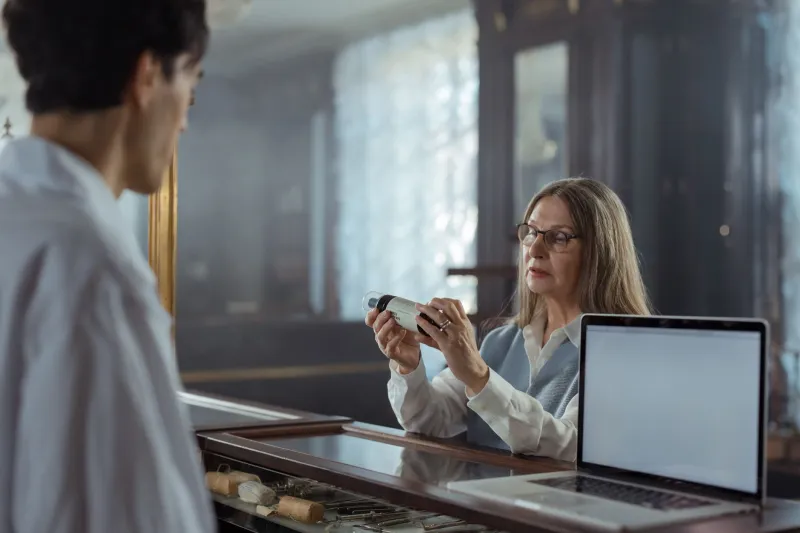
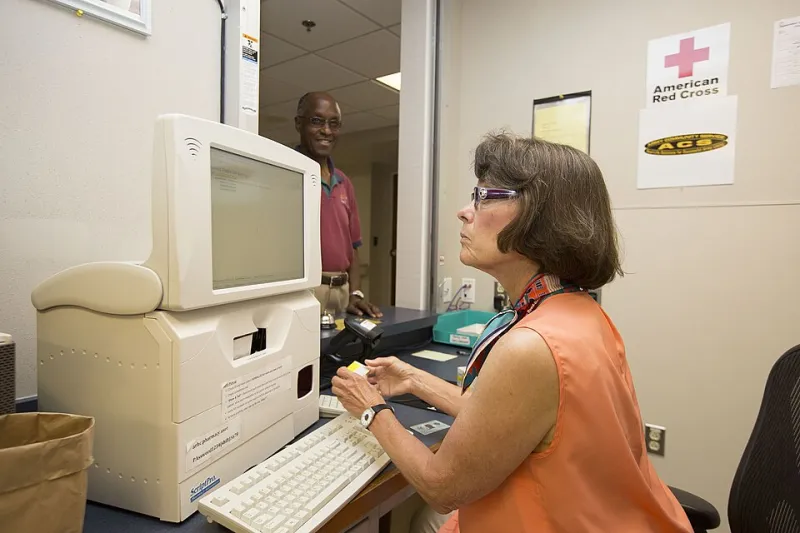
Here is a peculiar fact about American healthcare: we have professionals with doctoral-level training in medication standing behind counters in nearly every neighborhood, and most of us walk past them without saying a word. We hand over a prescription, mumble a thank-you, and leave. In doing so, we decline one of the most accessible and least expensive consultations in the entire medical system.
The Training Patients Don't See
The pharmacist who fills your prescription completed, at minimum, six years of rigorous education — today typically a Doctor of Pharmacy degree — covering pharmacology, drug interactions, dosing in kidney and liver disease, and patient counseling. Much of that training overlaps with what patients expect from a physician visit, but focused precisely on the medications themselves.
Physicians, brilliant as they are, cannot hold every interaction between every drug in your cabinet in mind during a fifteen-minute appointment. Pharmacists are positioned — by training and by law in most states — to catch what slips through. Many run medication reconciliation, flag duplications, and call prescribers to correct errors before a bottle ever reaches your hands. Studies of pharmacy interventions have repeatedly found that pharmacist review catches clinically significant problems at meaningful rates.
What You're Entitled to Ask
Under federal OBRA '90 requirements, pharmacies must offer counseling on new prescriptions, and state laws frequently strengthen that obligation. In practice, the offer is easy to decline without realizing what you're declining. Consider making these standard questions at pickup:
- "What should I expect in the first week?" Knowing the difference between an expected side effect and a warning sign prevents both unnecessary worry and dangerous delay.
- "Does this interact with anything I'm already taking — including supplements?" Pharmacists can run a full interaction check against your profile, including the herbal products your other providers may not know about.
- "What happens if I miss a dose?" The answer varies enormously by drug, and guessing wrong can cause double-dosing.
- "Can this be taken with food, or on an empty stomach?" Absorption and tolerance often hinge on this detail.
- "Is there a cheaper way to get this?" As covered elsewhere on Pill Page, the cash-versus-copay comparison alone can save real money.
More Than a Transaction
Many states authorize pharmacists to administer vaccinations, and a growing number can prescribe treatments for straightforward conditions such as strep throat, urinary tract infections, or travel medications under statewide protocols. Blood pressure checks, cholesterol screenings, and diabetes management sessions are increasingly available at chain pharmacies — often at no cost or modest fees, frequently without an appointment.
For patients without a regular primary care physician — tens of millions of Americans — the community pharmacist is, functionally, the most consistent healthcare contact they have. That relationship is worth cultivating. Using one pharmacy for all prescriptions builds a complete medication record, which is itself a safety intervention.
The Two Minutes That Matter
The critique of American healthcare usually centers on cost and access. But there is also a quieter failure of utilization: the free, expert, face-to-face resource that patients routinely ignore. A two-minute conversation at pickup does not replace your physician, and pharmacists will be the first to say so. It supplements your care with a specialist whose entire discipline is the thing sitting in the paper bag you're carrying out the door.
Next time the pharmacist asks, "Do you have any questions?" — the honest answer is probably yes. Ask them.