Grocery Store Dangers: The Everyday Foods That Quietly Undermine Your Prescriptions
Most people dutifully pick up their prescriptions, read the warning labels, and follow their doctor's dosing instructions. Fewer, however, pause to consider what they had for breakfast before swallowing that morning pill. The relationship between diet and drug performance is not a niche pharmacological concern—it is a daily reality for tens of millions of Americans managing chronic conditions. When a food alters how your body absorbs, distributes, metabolizes, or eliminates a medication, the consequences range from reduced treatment effectiveness to dangerously elevated drug concentrations in the bloodstream.
This guide organizes the most clinically significant food-drug interactions by the food itself, then cross-references the medications most commonly affected. It is intended as a practical reference, not a substitute for personalized medical advice.
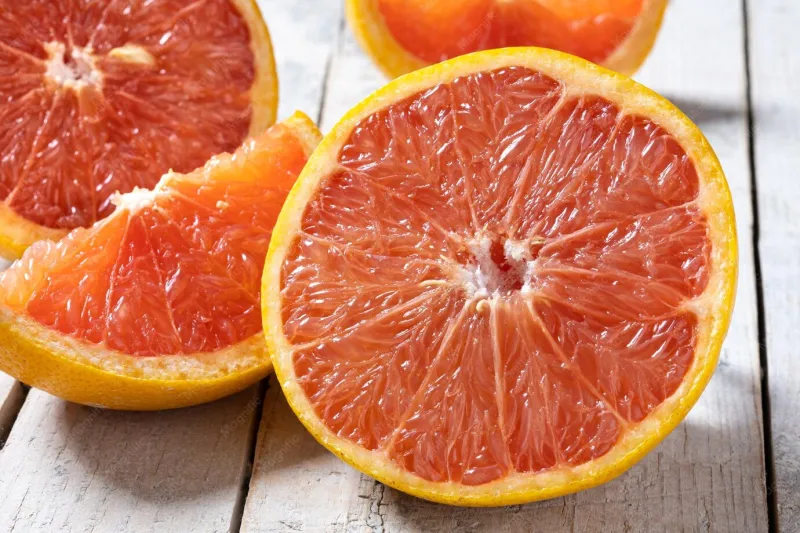
Grapefruit and Grapefruit Juice: The Most Widely Cited Offender
Grapefruit holds a unique and well-documented place in pharmacology. The fruit contains compounds called furanocoumarins, which irreversibly inhibit an enzyme in the small intestine known as CYP3A4. This enzyme is responsible for breaking down a remarkably broad range of medications before they enter the bloodstream. When CYP3A4 is suppressed, drug concentrations can rise far above intended therapeutic levels—sometimes for 24 hours or longer after a single glass of juice.
Medications most affected include:
- Statins (atorvastatin, simvastatin, lovastatin): Elevated blood levels increase the risk of muscle damage, a condition called myopathy, and in severe cases, rhabdomyolysis.
- Calcium channel blockers (amlodipine, felodipine, nifedipine): Used to treat high blood pressure and angina, these drugs can reach excessive concentrations, causing dangerous drops in blood pressure.
- Certain immunosuppressants (cyclosporine, tacrolimus): Particularly critical for transplant patients, even small fluctuations in drug levels can have serious consequences.
- Some anxiety medications (buspirone): Elevated concentrations may intensify sedation and dizziness.
Seville oranges, tangelos, and pomelos carry similar risks. Patients on any of the above drug classes should discuss grapefruit consumption explicitly with their pharmacist.
Leafy Green Vegetables: A Nutritional Conflict for Blood Thinner Users
Kale, spinach, Swiss chard, collard greens, and Brussels sprouts are celebrated as nutritional powerhouses. For patients taking warfarin (Coumadin)—one of the most commonly prescribed anticoagulants in the United States—these same foods represent a meaningful clinical challenge.
Warfarin works by inhibiting vitamin K-dependent clotting factors. Leafy greens are among the richest dietary sources of vitamin K, meaning that eating large or inconsistent quantities can directly counteract the drug's intended effect. The concern is not that patients must eliminate these vegetables entirely; rather, consistency is the governing principle. A sudden increase in leafy green intake can shift a patient from a therapeutic anticoagulation range to a subtherapeutic one, raising the risk of blood clots or stroke.
Patients on warfarin are typically advised to maintain a steady weekly intake of vitamin K-rich foods and to communicate any significant dietary changes to their prescribing physician so that dosage adjustments can be made accordingly.
Dairy Products: A Barrier to Antibiotic Absorption
The calcium in dairy foods—milk, yogurt, cheese—binds to certain antibiotics in the gastrointestinal tract, forming insoluble compounds that the body cannot absorb effectively. This process, called chelation, renders a portion of the medication pharmacologically inactive before it ever reaches the bloodstream.
Antibiotics most susceptible to dairy interference:
- Tetracyclines (doxycycline, tetracycline): Dairy can reduce absorption by up to 50 percent.
- Fluoroquinolones (ciprofloxacin, levofloxacin): Calcium-fortified foods and antacids containing calcium or magnesium pose similar risks.
Standard guidance recommends taking these antibiotics at least one to two hours before, or four to six hours after, consuming dairy products or calcium-fortified beverages. This timing window allows the drug to clear the stomach before calcium can interfere.
High-Fat Meals: A Double-Edged Sword
Dietary fat does not universally impair drug absorption—in some cases, it actively enhances it. The distinction depends entirely on the medication in question.
When fat helps: Certain drugs are formulated to be taken with food specifically because fat improves their bioavailability. Isotretinoin (used for severe acne) and some antifungal medications such as itraconazole are classic examples. Taking these without food can substantially reduce the amount of drug that reaches systemic circulation.
When fat hinders: Conversely, high-fat meals delay gastric emptying, which slows the absorption of time-sensitive medications. For drugs requiring a rapid onset—certain pain relievers, for example—a fatty meal can blunt the expected effect and delay relief.
Reading the "take with food" or "take on an empty stomach" instruction on a prescription label is not arbitrary. It reflects specific pharmacokinetic properties of the drug, and following it accurately matters more than most patients realize.
Tyramine-Rich Foods and MAO Inhibitors: A Potentially Dangerous Pairing
Monoamine oxidase inhibitors (MAOIs), a class of antidepressants that includes phenelzine and tranylcypromine, carry one of the most serious dietary restrictions in all of pharmacology. These medications block the enzyme monoamine oxidase, which ordinarily breaks down tyramine—an amino acid found in aged, fermented, and cured foods.
When tyramine accumulates in the body due to this enzyme inhibition, blood pressure can spike to dangerous, potentially life-threatening levels—a reaction known as a hypertensive crisis.
Foods to avoid while taking MAOIs:
- Aged cheeses (cheddar, blue cheese, Brie)
- Cured meats (salami, pepperoni, bacon)
- Fermented products (soy sauce, miso, kimchi, sauerkraut)
- Tap beer and certain wines
- Overripe or dried fruits
Patients prescribed MAOIs should receive detailed dietary counseling from their healthcare provider and pharmacist. This is not a guideline to be loosely interpreted.
Caffeine: An Overlooked Interaction Partner
Coffee and caffeinated beverages are consumed by roughly 90 percent of American adults on a daily basis, yet caffeine's potential to interfere with medications is rarely discussed at the pharmacy counter.
- Thyroid medications (levothyroxine): Studies suggest that coffee consumed simultaneously with levothyroxine can reduce absorption by up to 30 percent. Most guidelines recommend taking this medication with plain water, waiting at least 30 to 60 minutes before drinking coffee.
- Stimulant medications (amphetamine-based ADHD drugs): Combining these with caffeine may amplify cardiovascular effects, including elevated heart rate and blood pressure.
- Certain antibiotics (ciprofloxacin): Caffeine metabolism is slowed by this antibiotic, potentially intensifying caffeine's stimulant effects.
Alcohol: Beyond the Standard Warning Label
Alcohol warnings appear on many prescription bottles, yet their specificity is often insufficient to convey the full scope of risk. Alcohol can interact with medications through multiple pathways—it competes for the same metabolic enzymes, it amplifies central nervous system depression, and it can directly irritate the gastrointestinal lining in ways that alter drug absorption.
High-risk combinations include:
- Acetaminophen: Even moderate alcohol use combined with standard doses of acetaminophen increases the risk of liver toxicity.
- Benzodiazepines and opioids: Alcohol compounds respiratory depression, a potentially fatal outcome.
- Metronidazole: Causes a severe reaction including nausea, flushing, and rapid heartbeat.
- Metformin: Increases the risk of lactic acidosis, a rare but dangerous condition.
A Practical Approach: What to Do Before Your Next Meal
The interactions outlined above are among the most clinically documented, but the full list of food-drug combinations meriting caution extends well beyond what any single article can cover. The following habits can meaningfully reduce risk:
- Ask your pharmacist directly. At the point of dispensing, pharmacists are trained to counsel patients on food interactions. Use that resource.
- Read the medication guide. FDA-approved drug labeling often includes a food interaction section that is frequently overlooked.
- Maintain dietary consistency. For medications like warfarin, abrupt dietary changes are often more problematic than the food itself.
- Disclose your full diet. When discussing medications with your physician, mention any supplements, herbal products, and regular dietary habits—including juice consumption.
- Do not assume "natural" means safe. Many significant interactions involve whole foods and natural products, not just processed items.
Understanding the pill-diet relationship is not about eliminating foods from your life—it is about making informed choices that protect the integrity of your treatment. The pharmacist behind the counter at your local pharmacy remains one of the most accessible and underutilized resources available to help you do exactly that.