What You Eat Can Change How Your Medicine Works: A Food-Drug Interaction Primer
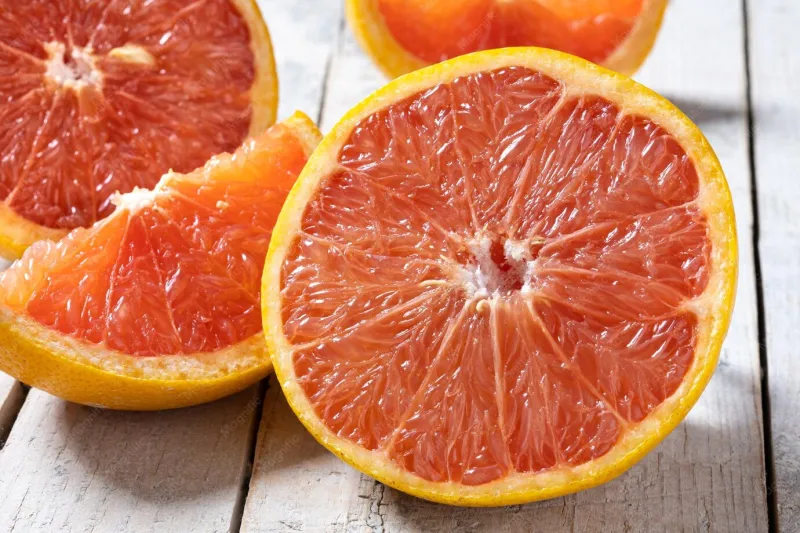
Photo: grapefruit juice pills prescription medications on table, via img.freepik.com
Most people assume that once a prescription is filled and a pill is swallowed, the medication takes over. What many do not realize is that the meal eaten an hour before — or the beverage consumed alongside — can fundamentally alter what that drug does inside the body. Food-drug interactions are not rare edge cases reserved for unusual medications. They occur across some of the most commonly prescribed drug classes in the United States, from statins and blood thinners to thyroid hormones and antibiotics.
Understanding these interactions is not about eliminating foods from your diet. It is about timing, awareness, and making informed choices that protect the effectiveness of your treatment.
Why Food Interferes with Medication in the First Place
When a medication is swallowed, it travels through the digestive tract before entering the bloodstream. Along the way, it encounters enzymes, stomach acid, intestinal proteins, and various compounds introduced by food. Some foods slow gastric emptying, meaning a drug lingers in the stomach longer than intended. Others activate or suppress liver enzymes responsible for breaking down medications — which can either cause a drug to accumulate to toxic levels or be eliminated before it has a chance to work.
The small intestine contains a family of proteins called CYP450 enzymes, which are the primary metabolic gatekeepers for dozens of medications. Certain foods interact directly with these enzymes, making them work faster or slower. The result is a blood concentration of a drug that may be significantly higher or lower than what your physician anticipated when writing the prescription.
Grapefruit: The Most Widely Documented Culprit
Grapefruit — along with Seville oranges, pomelos, and tangelos — contains compounds called furanocoumarins that block a specific CYP450 enzyme known as CYP3A4. This enzyme is responsible for metabolizing more than 85 drugs, including certain statins (atorvastatin, simvastatin), calcium channel blockers (felodipine, amlodipine), immunosuppressants, and some anxiety medications.
When CYP3A4 is inhibited, the drug cannot be broken down at the normal rate. As a result, drug levels in the bloodstream climb higher than expected, sometimes to levels associated with serious side effects. With simvastatin, for example, consuming grapefruit juice can increase the drug's blood concentration enough to raise the risk of muscle breakdown, a condition called rhabdomyolysis.
The effect is not brief. A single glass of grapefruit juice can suppress CYP3A4 activity for 24 to 72 hours. Spacing out the fruit and the medication by a few hours does not resolve the issue. If your medication label includes a grapefruit warning, the safest approach is to avoid that fruit entirely for the duration of treatment. Ask your pharmacist whether a different medication in the same class does not carry the same restriction.
Calcium-Rich Foods and Certain Medications
Dairy products, fortified plant milks, and calcium supplements can interfere with the absorption of several medications by binding directly to the drug in the gastrointestinal tract and forming a compound the body cannot absorb efficiently.
The clearest example involves certain antibiotics, particularly tetracyclines and fluoroquinolones such as ciprofloxacin. Calcium ions bind to these drugs in the gut, reducing their absorption by as much as 40 to 50 percent. A urinary tract infection being treated with ciprofloxacin, for instance, may respond poorly if the patient is taking the antibiotic alongside a glass of milk or a calcium-fortified orange juice.
Thyroid hormone replacement medications — levothyroxine being the most prescribed — are similarly sensitive. Calcium supplements taken within four hours of a levothyroxine dose can measurably reduce the amount of hormone that reaches the bloodstream, potentially leaving hypothyroidism undertreated. The standard guidance for levothyroxine is to take it on an empty stomach, first thing in the morning, and to wait at least 30 to 60 minutes before eating or taking any supplements.
Vitamin K and Blood Thinners: A Delicate Balance
For patients taking warfarin (Coumadin), dietary consistency is as important as medication consistency. Warfarin works by interfering with the body's use of vitamin K to produce clotting factors. Foods high in vitamin K — including leafy greens such as kale, spinach, collard greens, and broccoli — can reduce warfarin's effectiveness if consumed in large or variable amounts.
This does not mean patients on warfarin must avoid vegetables. The key is consistency. Eating roughly the same amount of vitamin K-containing foods each week allows the prescribing physician to calibrate the warfarin dose accordingly. Dramatic swings — avoiding greens entirely for two weeks, then eating large salads daily — make the drug's effect unpredictable and can push clotting times dangerously out of range in either direction.
If you are on warfarin and your diet is about to change significantly (due to a health kick, a holiday, or illness), notify your healthcare provider so your INR levels can be monitored more closely.
High-Fiber Meals and Medication Absorption
Dietary fiber, widely celebrated for its cardiovascular and digestive benefits, can also reduce the absorption of certain medications by slowing gastric transit time or by physically binding to drug compounds. Digoxin, a heart medication, and some forms of metformin can be affected when taken alongside high-fiber meals.
This does not mean high-fiber diets are problematic for people on medication. It does mean that the timing of when a medication is taken relative to a high-fiber meal may matter. For drugs where absorption timing is critical, your pharmacist can advise whether the medication should be taken on an empty stomach or with a light, low-fiber snack.
Alcohol: An Interaction Category of Its Own
Alcohol deserves special mention because its interactions with medications are both widespread and frequently underestimated. Alcohol can intensify the sedative effects of antihistamines, benzodiazepines, sleep aids, and opioid pain medications, increasing the risk of dangerous central nervous system depression. It can also irritate the stomach lining when combined with NSAIDs such as ibuprofen or naproxen, raising the risk of gastrointestinal bleeding.
For patients on metronidazole or tinidazole (antibiotics), alcohol consumption can trigger a severe reaction including flushing, nausea, vomiting, and rapid heartbeat. This interaction remains a concern for up to 48 to 72 hours after the last dose.
Practical Steps You Can Take Today
Reviewing food-drug interactions does not require a medical degree. The following steps can meaningfully reduce your risk:
- Read the label and the package insert. Manufacturers are required to include food interaction warnings. Do not discard the information sheet that comes with your prescription.
- Ask your pharmacist directly. When picking up a new prescription, ask: "Are there any foods or drinks I should avoid or time carefully with this medication?" Pharmacists are specifically trained to answer this question.
- Be consistent with your diet. For medications like warfarin that depend on dietary stability, consistency matters more than avoidance.
- Do not assume that spacing solves everything. As the grapefruit example illustrates, some food effects last far longer than a single meal window.
- Report changes in how your medication feels. If a drug seems less effective or produces unexpected side effects after a dietary change, that is worth reporting to your provider.
Food is not the enemy of medication — but it is a variable that deserves the same careful attention as the prescription itself. A brief conversation with your pharmacist can go a long way toward making sure what you eat and what you take are working together, not against each other.